
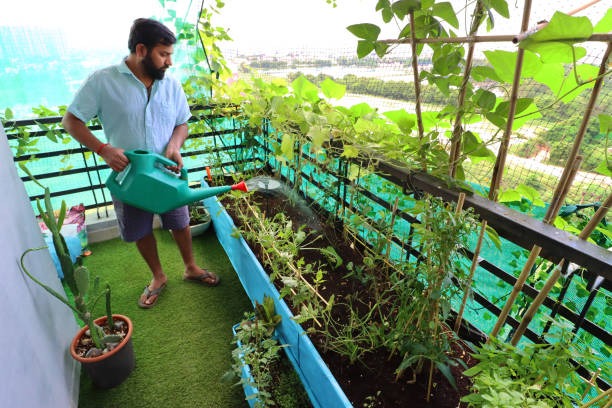
Creating a picnic garden is a delightful project that combines the joys of gardening with the relaxation of outdoor dining. As more people seek ways to enjoy nature from their own backyards, the concept of a picnic garden has gained popularity. It invites gardeners to merge utility with pleasure, providing a personal oasis for relaxation and culinary enjoyment. For those interested in starting their own, a useful guide can be found via: https://bossofmyfeelings.com/2026/03/11/picnic-garden-planning-garden-bags-compost-and-fertilizer-storage/, which offers insights into garden bags and other essentials.
Choosing the Right Picnic Garden Location
Selecting the ideal spot for your picnic garden is crucial. It should be a place that receives ample sunlight, as most plants require at least six hours of direct sunlight daily. Consider the proximity to your kitchen for convenience, especially if you plan on incorporating edible plants. The area should also have enough space to accommodate a seating area, allowing you to enjoy your meals amidst the greenery.
Essential Tools: Garden Bags and More
Garden bags play a vital role in maintaining the organization and efficiency of your picnic garden. They are perfect for carrying tools, storing harvested produce, and even collecting weeds or debris. When selecting a garden bag, consider its durability, size, and ease of transport. Look for options that are weather-resistant to ensure longevity. Additionally, compost bags can help in managing organic waste efficiently, turning kitchen scraps into valuable fertilizer for your plants.
Composting: A Sustainable Approach
Composting is a sustainable practice that benefits both the environment and your garden. By using a compost bag, you can easily manage organic waste. Composting not only reduces landfill waste but also enriches the soil with nutrients essential for plant growth. Incorporate a mix of green and brown materials, such as vegetable scraps and dry leaves, to create a balanced compost. Regularly turn the contents to aerate the pile, speeding up the decomposition process.
Fertilizer Storage and Usage
Proper storage of fertilizers is key to maintaining their effectiveness. Fertilizer bags should be kept in a dry, cool place to prevent moisture from degrading the contents. When using fertilizers, be mindful of the type and quantity applied to avoid over-fertilizing, which can harm plants. Organic options, such as compost or well-rotted manure, are excellent for enriching the soil naturally.
What to Keep in Mind Next
As you embark on creating your picnic garden, remember that thoughtful planning and sustainable practices will yield the best results. Keep experimenting with different plant varieties and seating arrangements to make the most of your outdoor space. Be patient and enjoy the process as your garden evolves into a personal retreat.